
Illustrations
'Death spiral' around Cygnus XR-1
January 11, 2001 · ESA/Hubble · Cygnus X-1
The Hubble telescope may have, for the first time, provided direct evidence for the existence of black holes by observing how matter disappears when it falls beyond the 'event horizon', the boundary between a black hole and the outside universe. Astronomers found their evidence by watching the fading and disappearance of pulses of ultraviolet light from clumps of hot gas swirling around a massive, compact object called Cygnus XR-1. This activity suggests that the hot gas fell into a black hole.
More Hubble images of Cygnus X-1
 Artist's impression of Cygnus X-1January 1, 2002
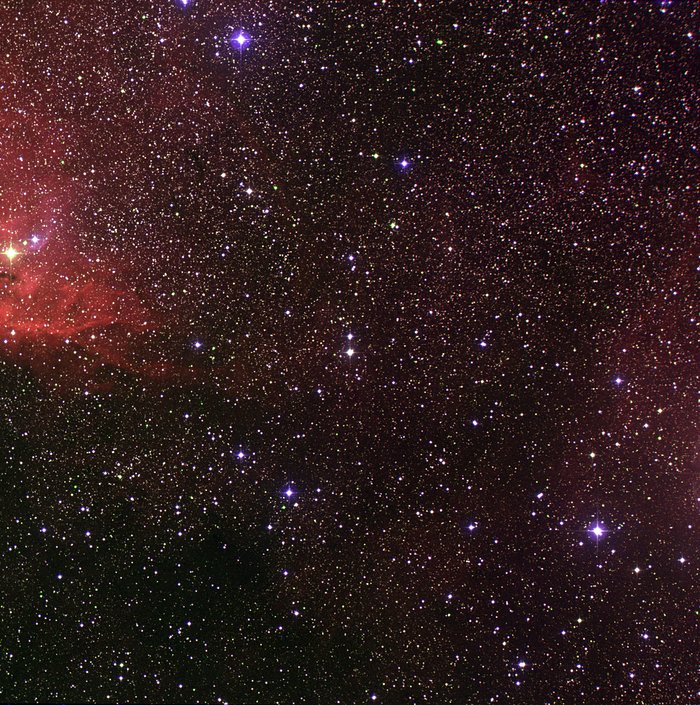 Cygnus X-1 (ground-based image)January 1, 2002
Illustration of Supernova in an Elliptical GalaxyApril 2, 2001 · video
Illustration of Expanding Universe (Concentric Rings)April 2, 2001 · video
Illustration of Image SubtractionApril 2, 2001 · video
Illustration of Diming of Light by DistanceApril 2, 2001 · video
 Lost and found: Hubble finds much of the Universe's missing hydrogenMay 3, 2000
 Hubble ESA information centre posterApril 17, 2000