
Illustrations
NGC 6826 illustration
December 17, 1997 · ESA/Hubble · Blinking Planetary , IRAS 19434+5024 , NGC 6826
Garden-variety stars like our Sun live undistinguished lives in their galactic neighborhoods, churning out heat and light for billions of years. When these stars reach retirement age, however, they become unique and colorful works of art.
As ordinary, sun-like stars begin their 30,000-year journey into their twilight years, they swell and glow, shrugging off their gaseous layers until only their small, hot cores remain. The ejected gaseous layers are called planetary nebulae, so named in the 18th century because, through small telescopes, these gas clouds had round shapes similar to distant planets such as Uranus or Neptune.
The gaseous debris glows like a fluorescent design, producing objects with striking shapes and names like "The Cat's Eye" and "The Hourglass." Astronomers have recorded more than 1,000 of them in our galaxy.
Gas released by these dying stars helps create new life. This gas contains new chemical elements, including carbon, which eventually are incorporated into stars and planets. Scientists believe that the carbon found on Earth came, in part, from planetary nebulae billions of years ago. (The rest came from supernova explosions.)
More illustrations
 NGC 4261 WFPC with illustration of jet.May 14, 1998
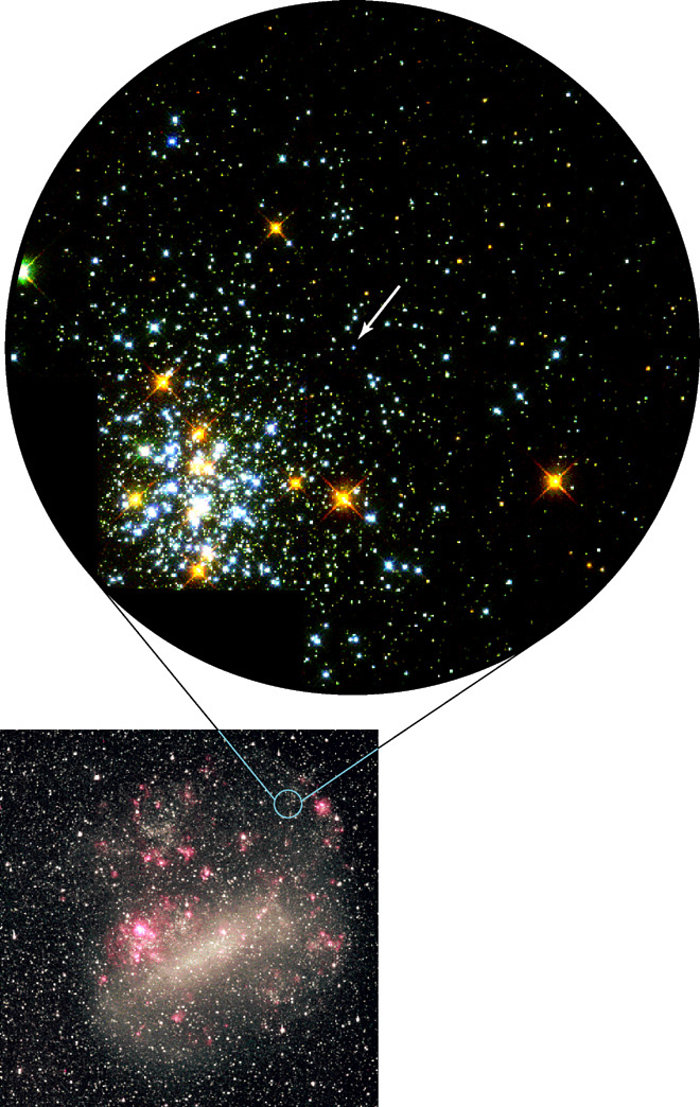 Hot White Dwarf Shines in Young Star ClusterApril 9, 1998
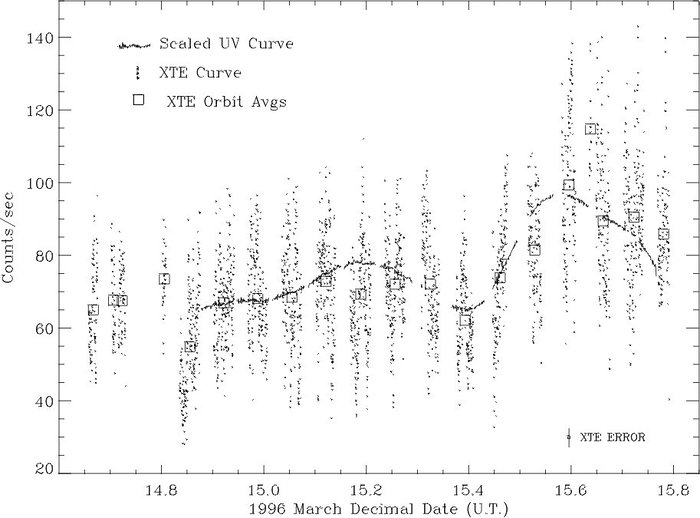 A new class Of X-ray star?January 9, 1998
 IC 3568 illustrationDecember 17, 1997
 NGC 3918 illustrationDecember 17, 1997
 NGC 7009 illustrationDecember 17, 1997
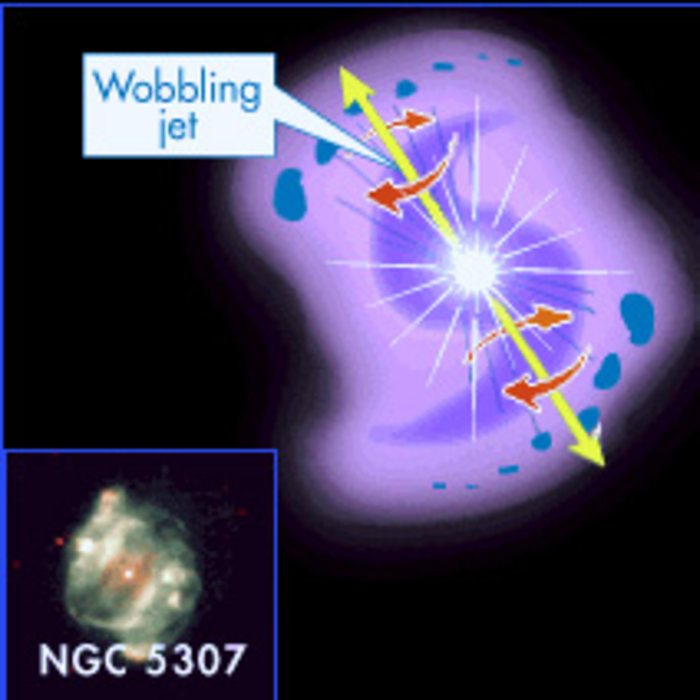 NGC 5307 illustrationDecember 17, 1997
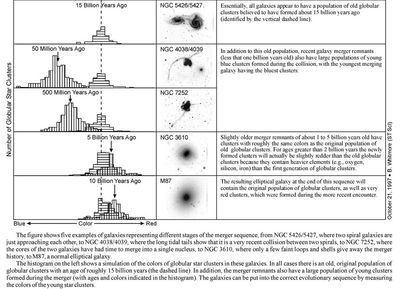 Illustration of Determining Stages of Interacting GalaxiesOctober 21, 1997