
Stars
Eta Carinae: Observations in UV Light Uncover Magnesium Embedded in Warm Gas
July 1, 2019 · NASA · Carina
Zoom to full resolution See where it is in the 3D sky Original on NASA ↗
Giant Star Yields New Clues About Turbulent Life
This Hubble Space Telescope image of the giant, petulant star Eta Carinae is yielding new surprises.
Telescopes such as Hubble have monitored the super-massive star for more than two decades. The star, the largest member of a double-star system, has been prone to violent outbursts, including an episode in the 1840s during which ejected material formed the bipolar bubbles seen here.
Now, using Hubble's Wide Field Camera 3 to probe the nebula in ultraviolet light, astronomers have uncovered the glow of magnesium embedded in warm gas (shown in blue) in places they had not seen it before. The luminous magnesium resides in the space between the dusty bipolar bubbles and the outer shock-heated nitrogen-rich filaments (shown in red).
The streaks visible in the blue region outside the lower-left lobe are a striking feature in the image. These streaks are created when the star's light rays poke through the dust clumps scattered along the bubble's surface. Wherever the ultraviolet light strikes the dense dust, it leaves a long, thin shadow that extends beyond the lobe into the surrounding gas.
Eta Carinae resides 7,500 light-years away.
About the colours
These images are a composite of separate exposures acquired by the WFC3/UVIS instrument on the Hubble Space Telescope. Several filters were used to sample narrow and wide wavelength ranges. The color results from assigning different hues (colors) to each monochromatic (grayscale) image associated with an individual filter. In this case, the assigned colors are: Blue: F280N Green: F336W Red: F658N
About the data
The HST observations include those from programs 15289 (N. Smith) and 15596 (N. Smith).
More Hubble images of Eta Carinae
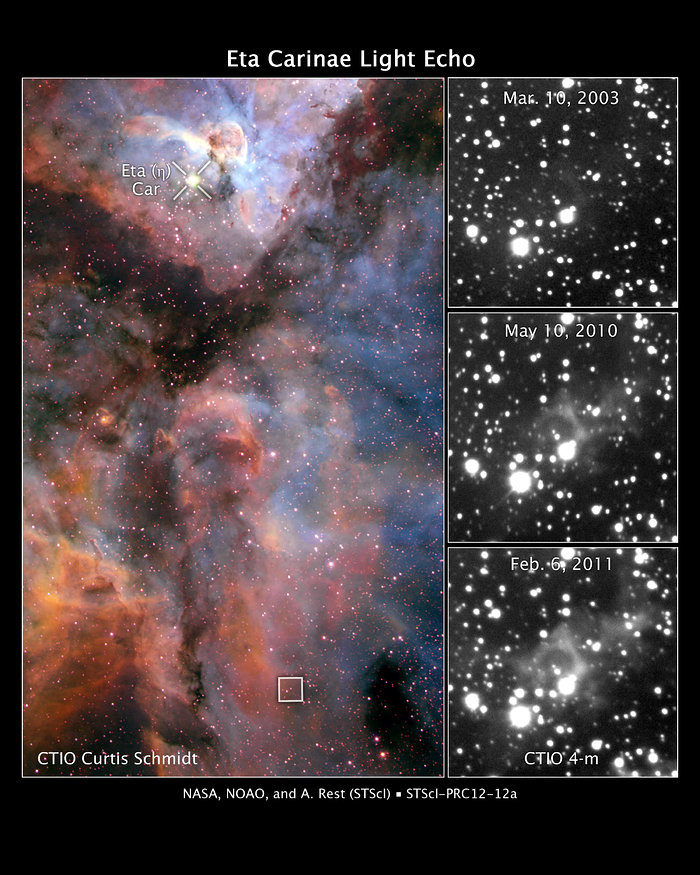 Eta Carinae light echoFebruary 20, 2012
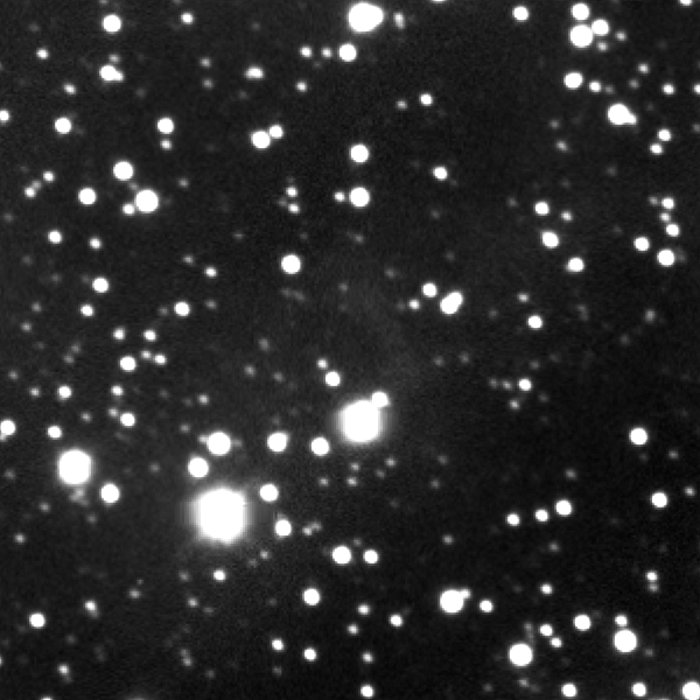 Eta Carinae light echo region — 10 March 2003February 20, 2012
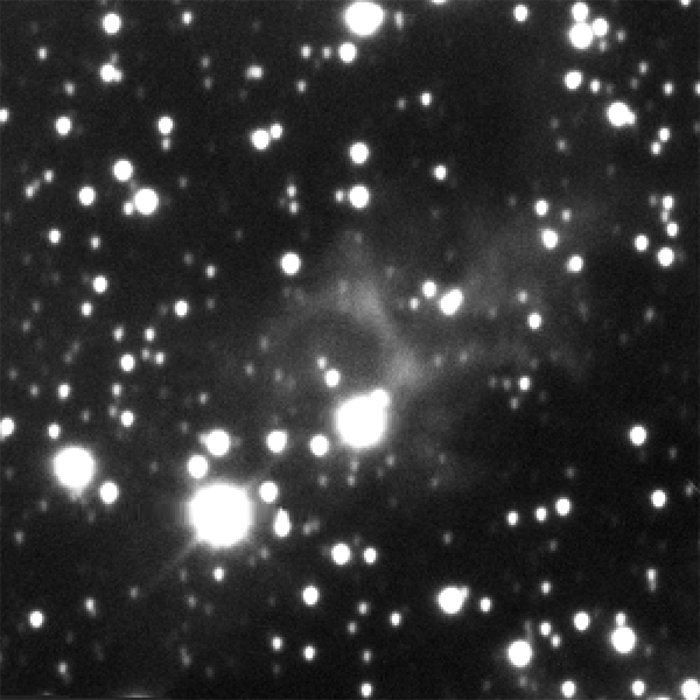 Eta Carinae light echo brightening — 10 May 2010February 20, 2012
 Eta Carinae light echo brightening — 6 February 2011February 20, 2012
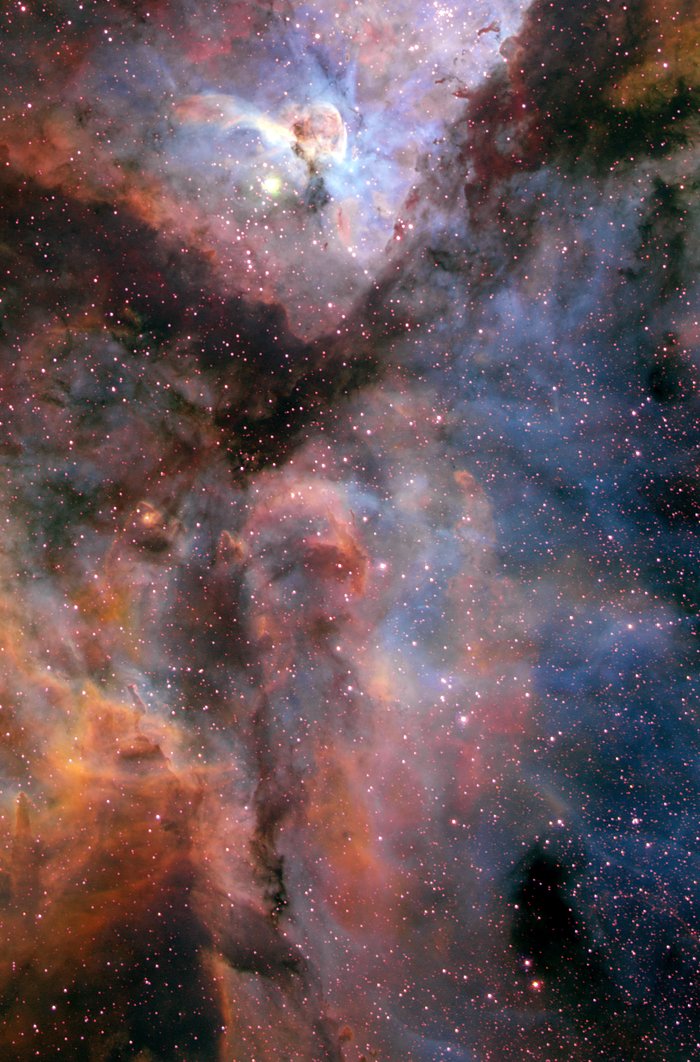 Carina Nebula (ground-based image)February 20, 2012
The Doomed Star Eta CarinaeJune 10, 1996
Furious Expansion of Eta Carinae DebrisJune 10, 1996
Exploding Star Eta Carinae, Seen in Three DimensionsJune 10, 1996